
“Do I still need a website when I have Instagram?” gets the same answer everywhere. Yes, because you get found in search, because you set expectations before anyone emails, and because you own the relationship instead of renting it from a platform.
All three are true in principle. We build these sites for a living, so we have an obvious interest in the answer being yes. That is exactly why we went and measured whether real photography websites actually collect those advantages.
Mostly they do not.
The Three Advantages, Checked Against 50 Real Sites
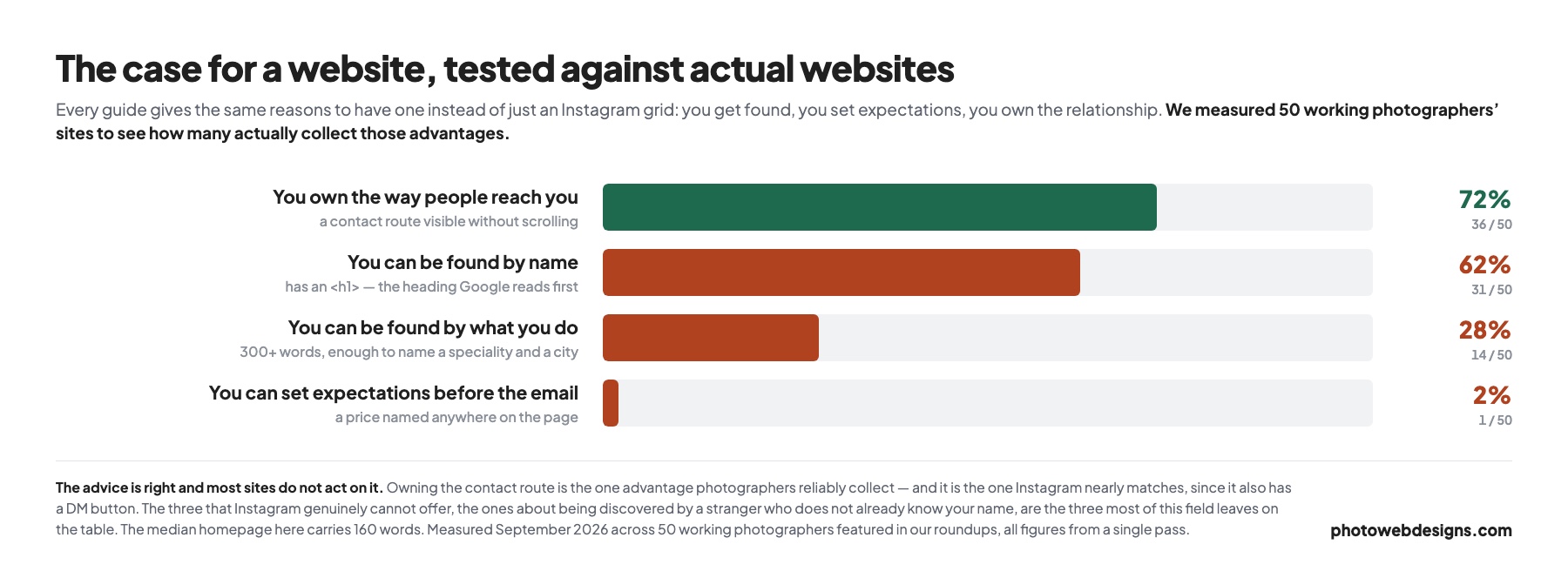
The pattern is uncomfortable. Owning the contact route is the advantage photographers reliably take — and it is the weakest of the three, because Instagram has a DM button and a link in bio. The advantages that Instagram genuinely cannot offer, the ones about being discovered by somebody who does not already know your name, are the ones most of this field leaves unclaimed.
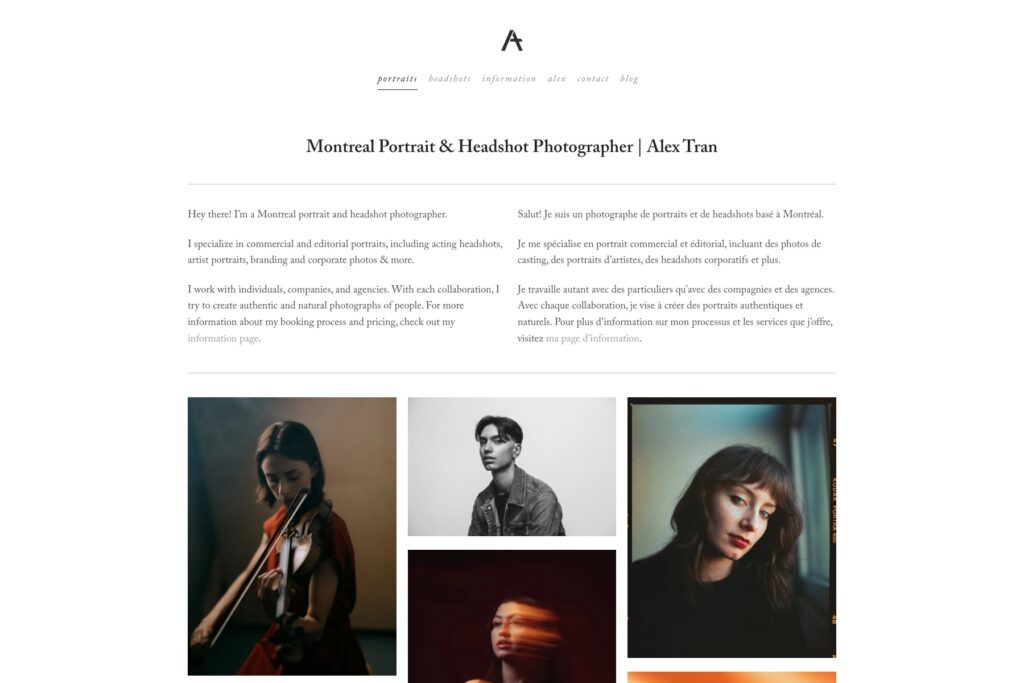
Thirty-one of the fifty have an h1. Fourteen carry enough text to say what they shoot and where. One names a price. The median homepage runs to 160 words — roughly an Instagram bio and a caption.
Most Photography Websites Are An Instagram Grid With A Custom Domain
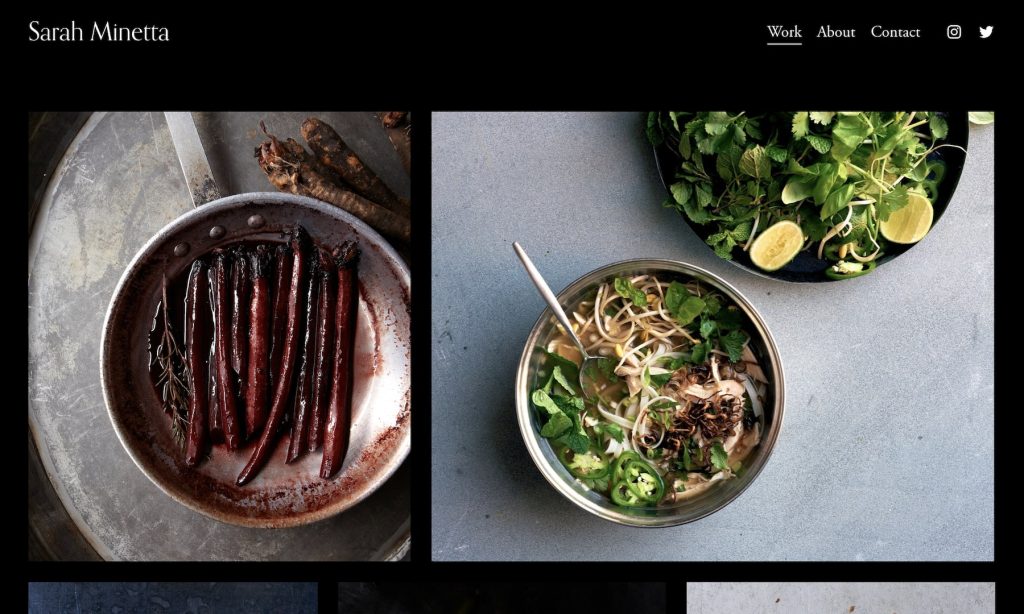
That is the honest description of what we measured, and it explains why the question keeps getting asked. If your website is a grid of photographs, a name, and a contact link, then a sceptical photographer is right to notice it is doing the same job as their Instagram — to an audience that is smaller, and without the distribution.
Fstoppers made this argument years ago and the data does not contradict it. A website built like an Instagram grid is mostly pointless. The mistake in the standard advice is not the conclusion, it is the missing condition: a website beats a social profile only if you build it differently from a social profile.
And the difference is not design. It is words, structure and information — the parts photographers find least interesting and skip first.
What Instagram Genuinely Cannot Do
Be found by someone who does not know you exist
Instagram is a discovery engine for people already scrolling it, and it is not a search engine for “wedding photographer in Bristol”. A website can be, and that is the single biggest advantage on offer. It requires exactly two things: a heading that says what you do, and enough copy to mean it. Thirty-eight per cent of the sites we measured have no heading at all.
Say what it costs
One site in fifty names a price. On Instagram that is understandable, since the format is not built for it. On your own website there is no constraint except nerve, and the effect of silence is invisible to you: the enquiry you never receive from somebody who assumed you were out of reach. We looked at what photographers actually do about price separately.
Survive the platform
This is the argument everyone makes and it is the one that is genuinely unanswerable. Reach changes, formats change, accounts get locked with no appeal. A domain you own does not. The catch is that ownership only matters if the thing you own is doing something — an archive nobody can find is not an asset, it is a backup.
So Do You Need One?
Honestly: not always, and not urgently. If your work comes from referrals and repeat clients, and you have never had an enquiry from a search engine, a website is a business card. Build a good one, keep it cheap, and put your energy where the work actually comes from.
You need one when you want work from people who do not already know you. That is the whole condition. At that point the site has to do the things Instagram cannot, which means the checklist is short and specific:
- An
h1that names the job and the place. “Documentary wedding photographer in Bristol”, not your name in a logo font. - Four to six hundred words on the homepage. Not a manifesto. What you shoot, where, how you work, what happens next.
- A number. A starting price is enough. It filters the enquiries you were never going to win and invites the ones you were.
- Pages a search engine can land on. A venue, a city, a speciality — one page each, rather than everything on the homepage.
None of that disturbs the photographs, and none of it is design work. It is the part that gets skipped, which is why so many beautiful photography websites are, functionally, an Instagram grid on a domain you pay for.
If you would rather have one built to do the job properly, that is what we do — and the full dataset behind this piece is in our 2026 photography website census.
Frequently Asked Questions
Do photographers still need a website in 2026?
Only if you want work from people who do not already know you. If your enquiries come from referrals and repeat clients, a simple site is fine. The advantage a website has over Instagram is being found in search, and that advantage only exists if the site has a heading, real copy and pages worth landing on — which most do not.
Is Instagram enough for a photography business?
It can be, for referral-led work. What it cannot do is appear when somebody searches for a photographer in your city who has never heard of you, and it cannot be relied on long-term because reach and account access are not yours. Most photographers use both, with the website as the thing that converts.
Why do photography websites not show up on Google?
Usually because there is nothing on them to read. Across the 50 sites we measured, the median homepage carried 160 words and 38% had no h1 element at all. A page that never states what you shoot or where you work cannot rank for either.
What makes a photography website better than an Instagram profile?
Three things Instagram cannot do: be found in search by a stranger, state a price so people can self-qualify, and survive a change in someone else’s platform. In our sample only 28% carried enough text for the first and 2% did the second.
How much text does a photography website need?
Four to six hundred words on the homepage is enough to name a speciality, a location and a process without disturbing the design. The median in our measurement was 160, and 72% of sites carried under 300.