

Almost every article you will find about Zenfolio alternatives is written by a company that sells one. That is worth knowing before you read any of them, including the comparison tables.
We build websites for photographers. We do not sell client galleries, print fulfilment or proofing, so we have no stake in which of these you choose. What follows is what each one is actually for, and the question none of them will ask you: whether you need a gallery platform at all, or a website with galleries attached.
Plans and prices below were checked in August 2026. These companies change pricing often and it varies by region and billing term — treat the figures as indicative and confirm before you commit.
Why photographers leave Zenfolio
Zenfolio is a capable product and plenty of photographers stay on it happily for years. The people who leave tend to leave for one of four reasons.
- The entry plan is tighter than it looks. Basic sits at around €8 a month with 15 GB of storage. That sounds generous until you realise a single full wedding delivered at full resolution can be several gigabytes. Photographers routinely find themselves pushed to Professional (around €20) not for the features but simply for room.
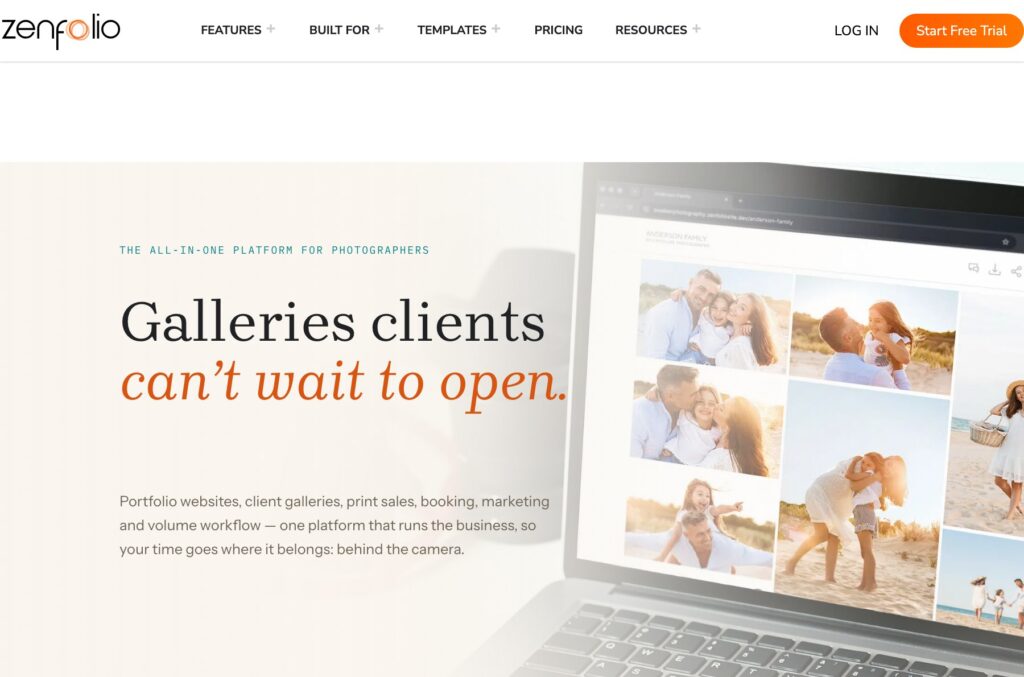
- The website builder is the weakest part of the package. Zenfolio’s galleries and proofing are the product; the site wrapped around them is secondary. If your website is doing serious marketing work — ranking in Google, telling your story, converting enquiries — the template is usually where people feel the ceiling first.
- Costs stack. Booking and scheduling is an add-on unless you are on annual billing. SMS delivery is metered. None of it is unreasonable, but the monthly figure you signed up for is rarely the one you end up paying.
- Everything lives in one place. Your portfolio, your client delivery and your storefront are the same subscription. That is convenient right up until you want to move, and then it is not.
Notice that only one of those is really about galleries. Most of the frustration is about the website half of the bundle — which is why swapping one gallery platform for another often does not fix it.
The alternatives, by what they are actually for
SmugMug — if selling prints is the point
The most direct like-for-like swap. Every plan carries unlimited full-resolution JPEG storage, which removes the single most common reason people outgrow Zenfolio. Selling is not on the entry tier: Direct is around $20 a month without print sales, Portfolio around $23.50 with them, Pro around $37. RAW storage is a paid add-on.
Choose it if print and download revenue is a real line in your accounts and you want the storage question to go away permanently.
Pixieset — if you want to start free
Pixieset is the usual recommendation for photographers who are not ready to pay monthly yet. It offers a free tier, a website builder alongside the galleries, and a store — and it is generally the cheaper option at comparable tiers.
Choose it if you are early, delivering a handful of shoots a month, and want to test whether clients actually buy before committing to a subscription.
ShootProof — if you want the business admin bundled
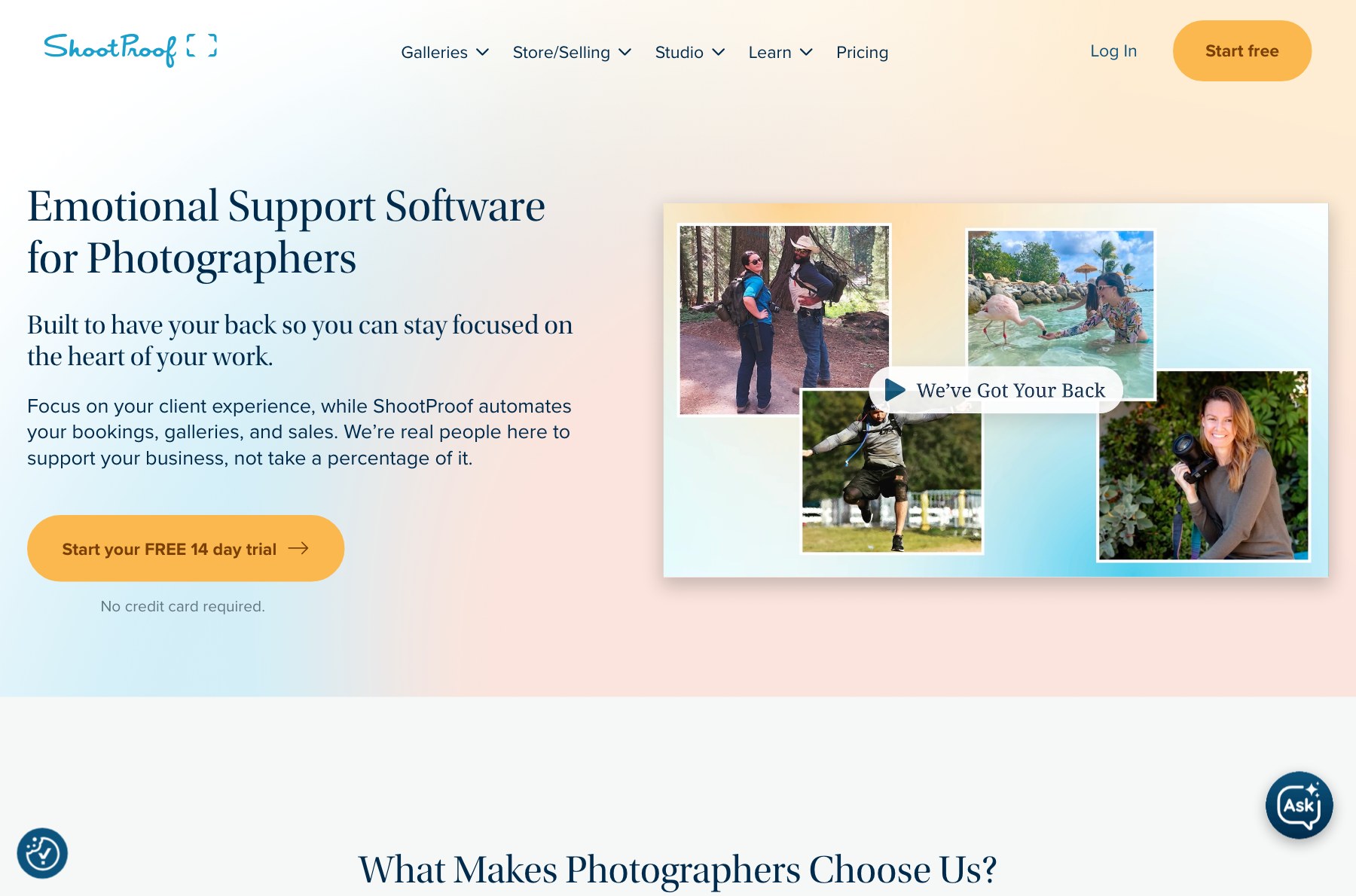
ShootProof leans toward the paperwork: contracts, invoicing and galleries in one flat subscription. It is not really a website builder, and it does not pretend to be.
Choose it if your bottleneck is chasing contracts and payments rather than delivering images, and your website already lives elsewhere.
Pic-Time — if client experience is the differentiator
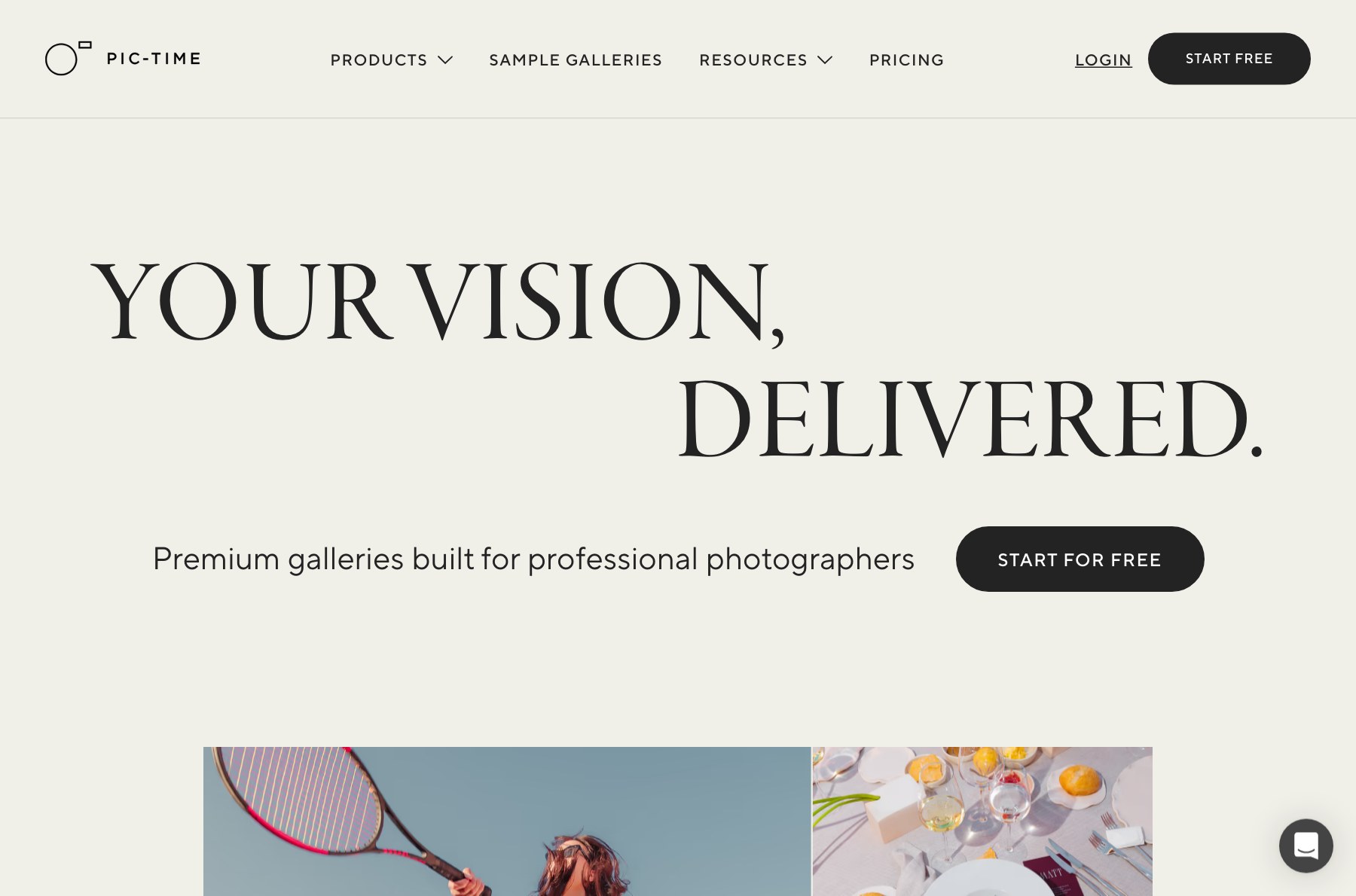
Pic-Time has built its reputation on the gallery itself — the slideshows, the automated store campaigns, the way a delivery feels to the person receiving it. Wedding photographers in particular tend to move here.
Choose it if the delivery moment is part of how you sell, and you want the gallery to keep selling after you send it. Be clear about what you are giving up, though: unlike Zenfolio, Pic-Time ships no website builder, so the public half of your site has to live somewhere else.
Format — if it is a portfolio, not a client-delivery problem
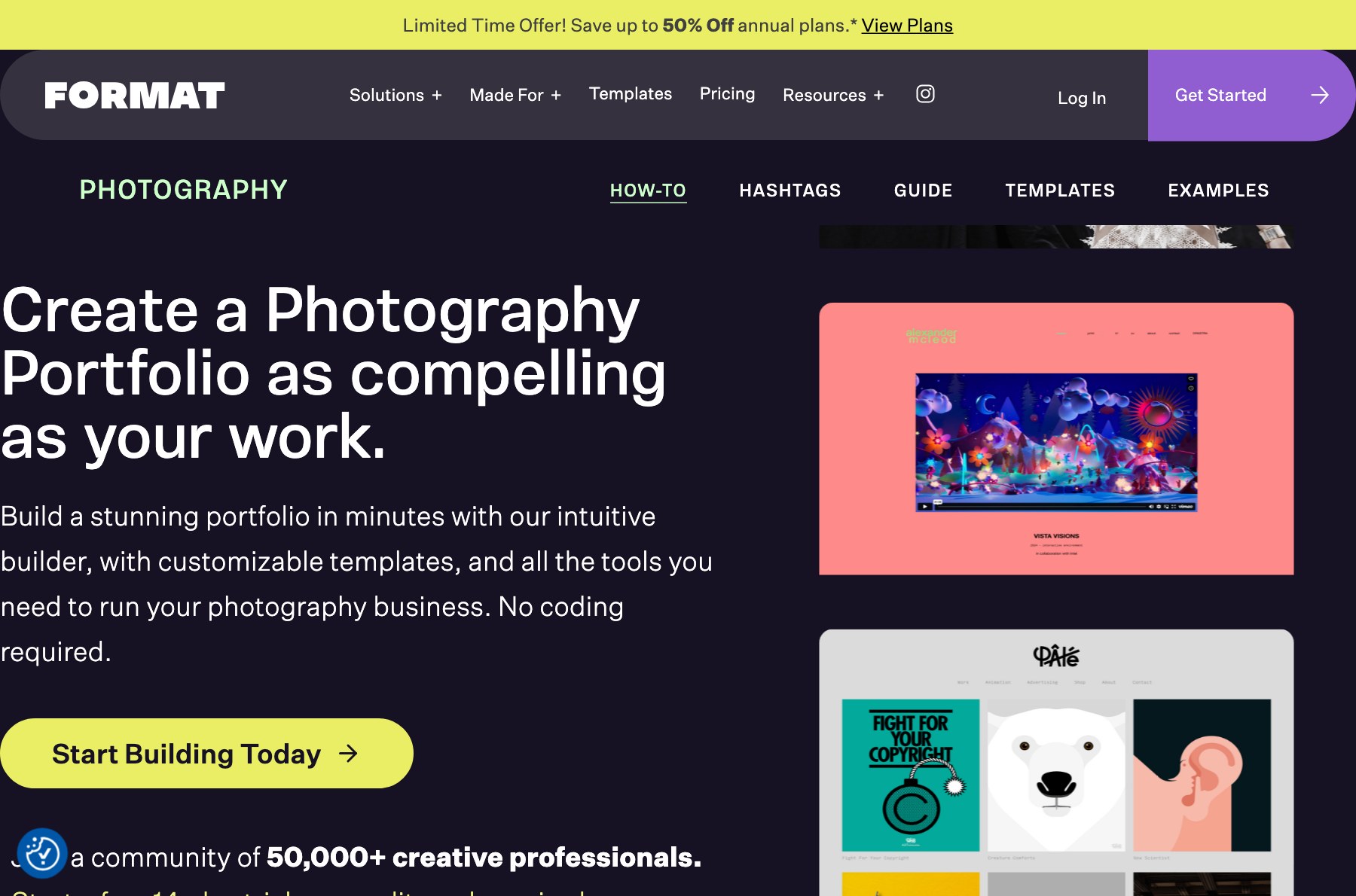
Format is a portfolio platform first, aimed at photographers whose website exists to win commissions rather than to deliver files to consumers. Proofing and print sales are secondary.
Choose it if you shoot commercial or editorial work and you are being hired on the strength of a portfolio, not selling prints to families.
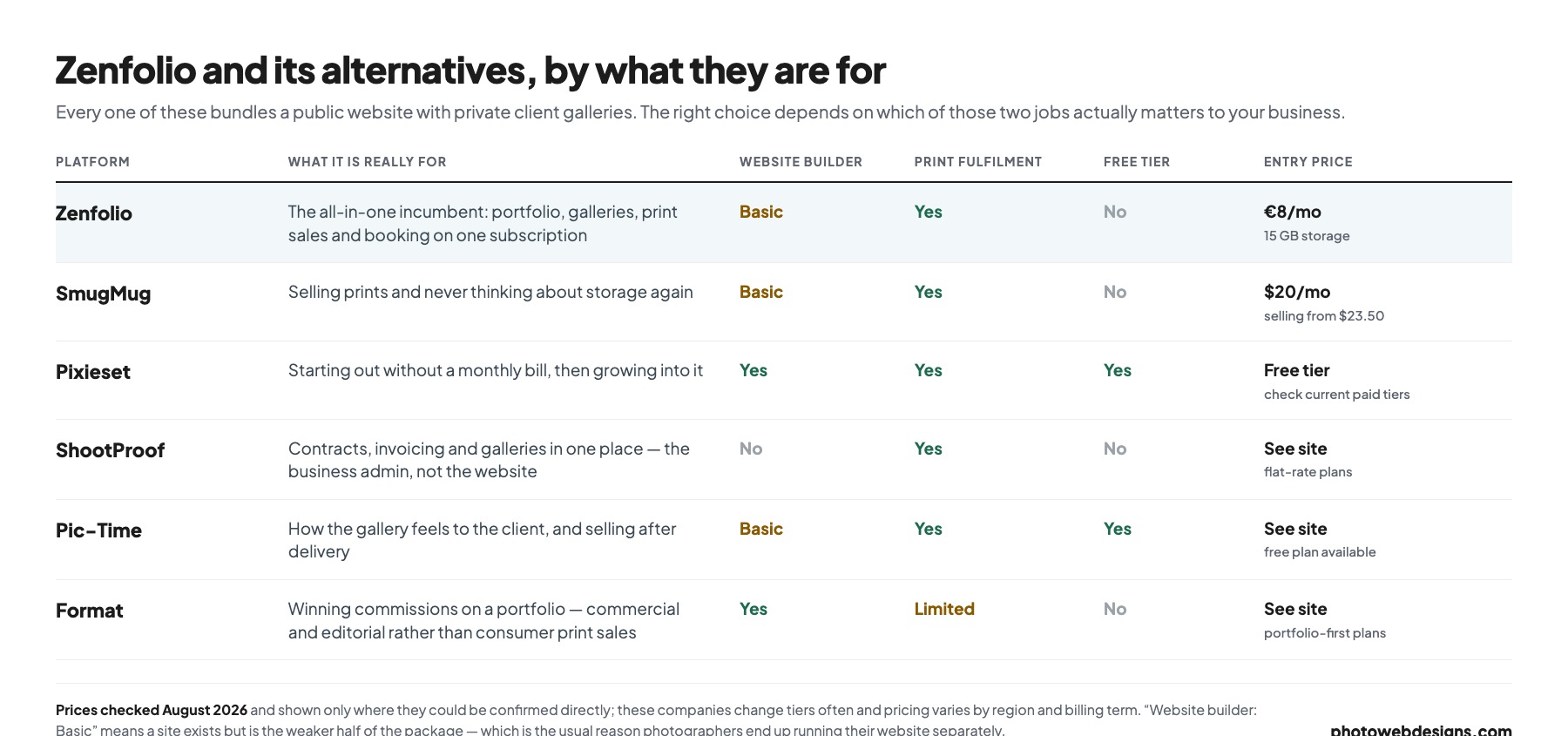
Here is the table we warned you about at the top — with the difference that we do not sell any of these, and every figure was read off the vendor’s own pricing page rather than copied from another comparison site:
| Platform | Free tier | Entry price | Storage there | Print & download sales | Website builder |
|---|---|---|---|---|---|
| SmugMug | — | $20/mo Direct | Unlimited full-res JPEG | From $23.50 Portfolio | Included |
| Pixieset | 3 GB | $8/mo Basic | 10 GB | Commission-free from Basic 15% on the free tier | Separate subscription from $12/mo |
| ShootProof | 100 photos / 5 GB | $10.99/mo 1,500 photos | 75 GB | Yes | Included |
| Pic-Time | 10 GB drops to 3 GB after 6 months | $7/mo Beginner | 20 GB | Yes | None galleries and portfolio pages only |
| Format | — | $10/mo Basic | 70 images no file storage | Commission-free store from Pro $12/mo | It is the website |
Entry prices are the annual-billing rate from each company’s own pricing page, checked 31 August 2026; paying monthly costs more on every one of them. Zenfolio’s own prices are deliberately left out — it was mid-promotion and quoting in local currency, so any number here would be wrong within weeks.
The question none of them will ask you
Most of the options above bundle two different jobs into one subscription: a public website that markets you to strangers, and private galleries that deliver files to people who already hired you. The exceptions are the two worth noticing — Pic-Time ships no website builder at all, and Pixieset charges for its one separately — because those are the platforms being honest about the split.
Those jobs have almost nothing in common. One needs to rank in Google, load fast, tell your story and convert an enquiry. The other needs favouriting, downloads, proofing and a shopping cart. Bundling them is convenient, but it means the marketing half is only ever as good as a gallery company’s side project.
The unbundled version is straightforward: keep a gallery platform for delivery — the free or entry tier is usually enough once it is not also hosting your website — and run your actual website separately, where you control the design, the speed and the SEO.
When bundling is the right answer
If you are shooting part-time, your enquiries come mostly from Instagram and word of mouth, and your website is really a business card, then one subscription doing both jobs is genuinely the sensible choice. Do not over-engineer it.
When it stops being the right answer
It stops working when the website starts having a job. When you want to rank for “wedding photographer in [your city]”, when you are running ads to a landing page, when the design starts mattering to the kind of client you are trying to attract — that is when a gallery platform’s built-in site becomes the constraint.
A rough test: if you cannot remember the last time someone found you through Google, the bundle is fine. If you want that to change, it probably is not.
How to move without losing anything
- Export your galleries before you cancel. Bulk download everything you still need. Do this first, not last.
- Write down every live gallery link you have given a client. Those URLs die with the account, and some of them will be in inboxes you cannot reach.
- Check what is actually ranking. If any pages bring you traffic from Google, they need redirects to the equivalent page on the new site or that traffic disappears.
- Move the domain, not just the content. Keeping your own domain is what makes any of this portable in the first place.
- Run both for a month. Overlapping one billing cycle is cheaper than discovering something was missing after the account closed.
Step three is the one that gets skipped, and it is the expensive one. Redirects are the difference between a redesign that keeps your search traffic and one that quietly resets it to zero.
Common questions
Which Zenfolio alternative is cheapest?
Pixieset, because it has a free tier. But cheapest is rarely the right frame — if print sales are part of your income, a platform that costs more and sells better is the cheaper option in practice.
Can I keep my domain if I switch?
Yes, as long as the domain is registered to you rather than bought through the platform. If it was bought through them, you can usually transfer it out, but start that process early because transfers take days rather than minutes.
Will switching hurt my Google rankings?
Only if you skip the redirects. Moving the same content to a new platform on the same domain, with every old URL pointing at its replacement, is normally recoverable within weeks. Moving without redirects is what causes the permanent drop people warn about.
Do I need a gallery platform and a website?
If your website has a marketing job to do, yes — and the gallery platform can usually drop to its cheapest tier once it is only handling delivery. If your website is essentially a portfolio you send people to, one bundled subscription is fine.
If you decide the website half is what needs solving, that is what we do — see website design for photographers, including five designs you can open and try before deciding. We also cover the platform question more broadly in our comparison of photography website builders.